CEMEX and Peregrine International Mobilize Canaan Heights Broommakers as Frontline Force
By: Francine Mamby
Location: Canaan Heights, Clarendon
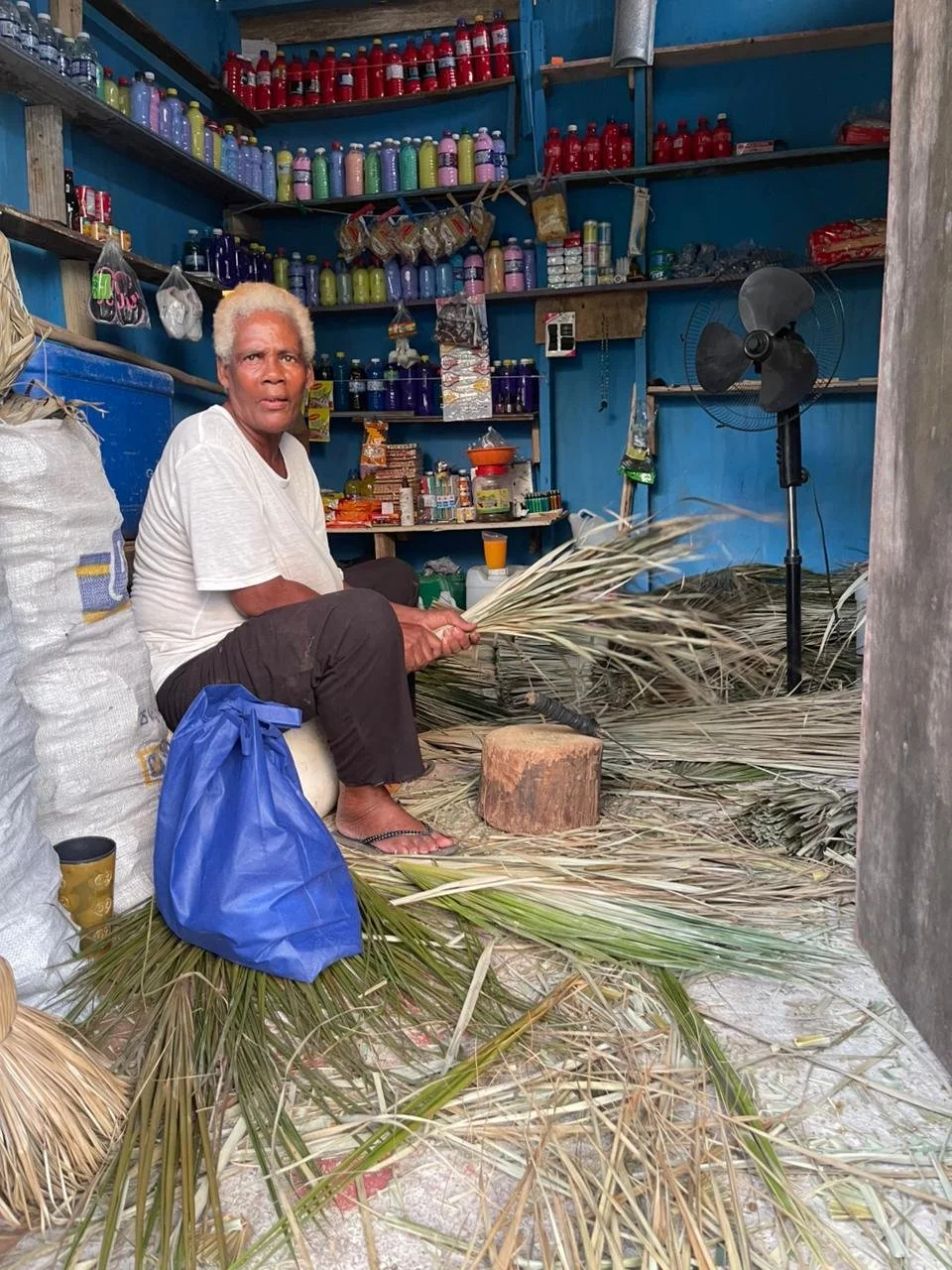
In the aftermath of Hurricane Melissa, a powerful reminder from Jamaica’s past is shaping a new path forward in Canaan Heights, Clarendon. When Hurricane Gilbert struck in 1988, broommakers in this same community - known for crafting Jamaica’s traditional brooms - were unable to meet the massive national demand that followed. The country turned to imported plastic brooms, and for many broommakers, life and their craft were never the same.
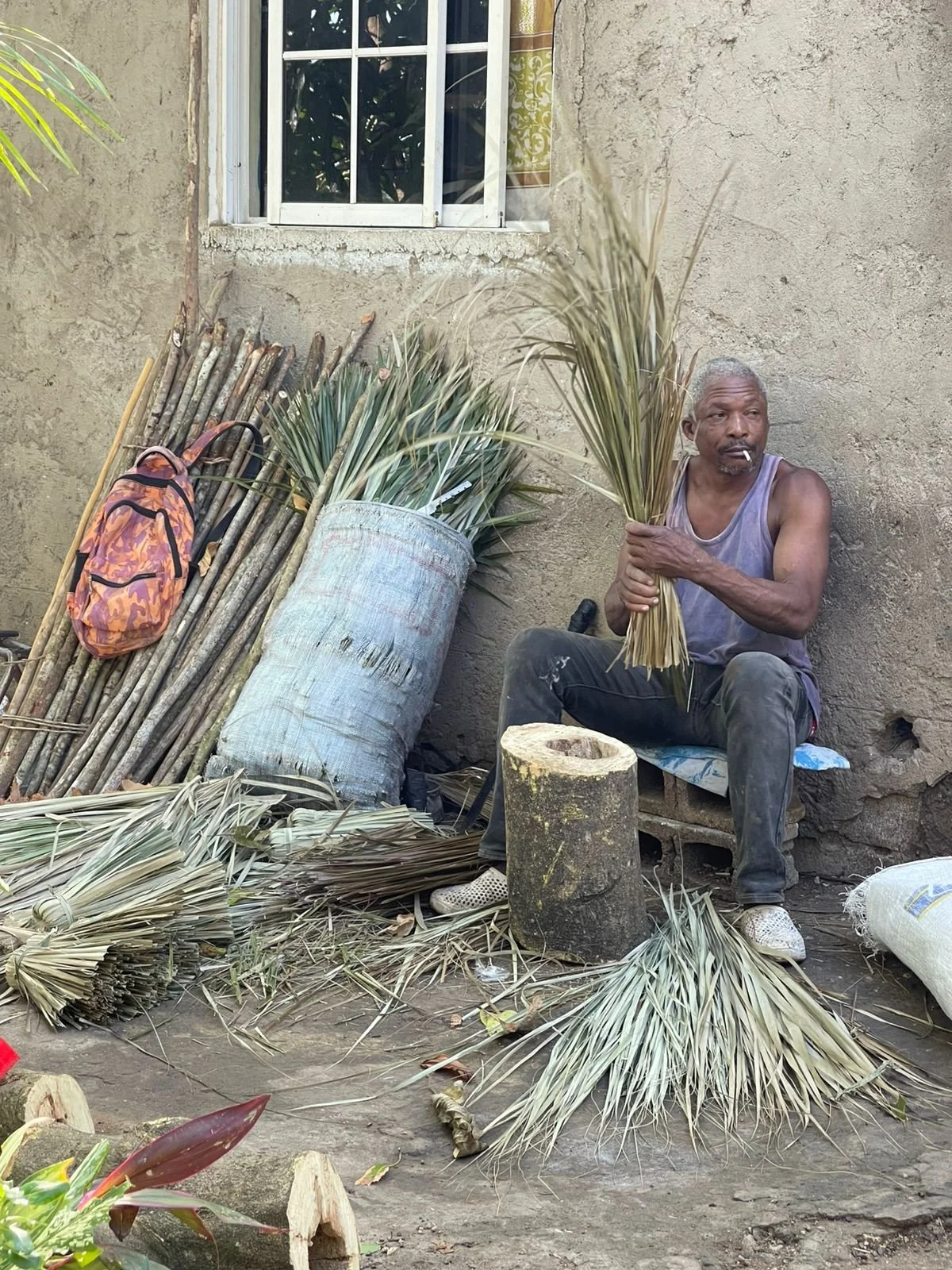
Determined not to repeat history, Francine and Oshane “Jahdon” Mamby, founders of the Broomie brand, took the initiative to support the community’s broommakers. Witnessing the storm’s impact on livelihoods and morale, Francine reached out to her college friend Jamaal Weatherspoon of Peregrine International, an organization experienced in community-led resilience initiatives.
When Weatherspoon learned of the broommakers’ situation, he immediately contacted Jerome Cowans, CEMEX’s Social Impact Specialist in Clarendon. Just a day before the scheduled donation, Jerome suffered the loss of his father. Yet, in tribute to him, he chose to be present for the communities in Clarendon who he represented and continue his work. His dedication embodies a powerful lesson: even in the midst of personal grief and national catastrophe, moving forward and serving others can transform pain into purpose.
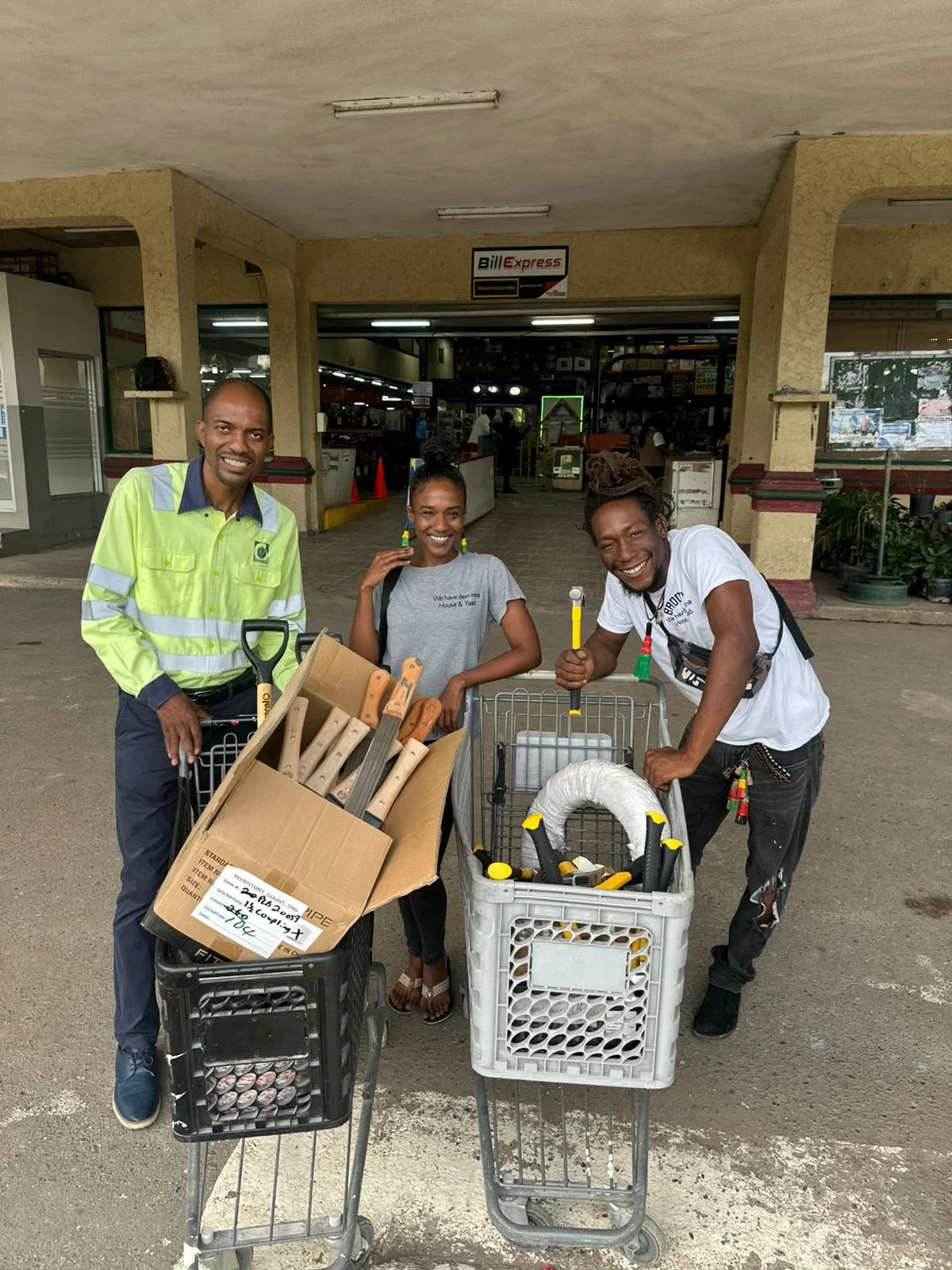
“This is more than just about tools - it’s about dignity and preservation,” said Oshane Mamby, whose family has been in broom-making for generations. “For the first time, a major company in Clarendon is recognizing the value and resilience of our trade. We’re ready to answer the nation’s call”.
CEMEX’s involvement marks a historic moment for the community - one where cultural heritage and strategic support come together to reinforce resilience. Once overlooked, the broommakers are now being mobilized as key contributors to Jamaica’s recovery and rebuilding efforts.
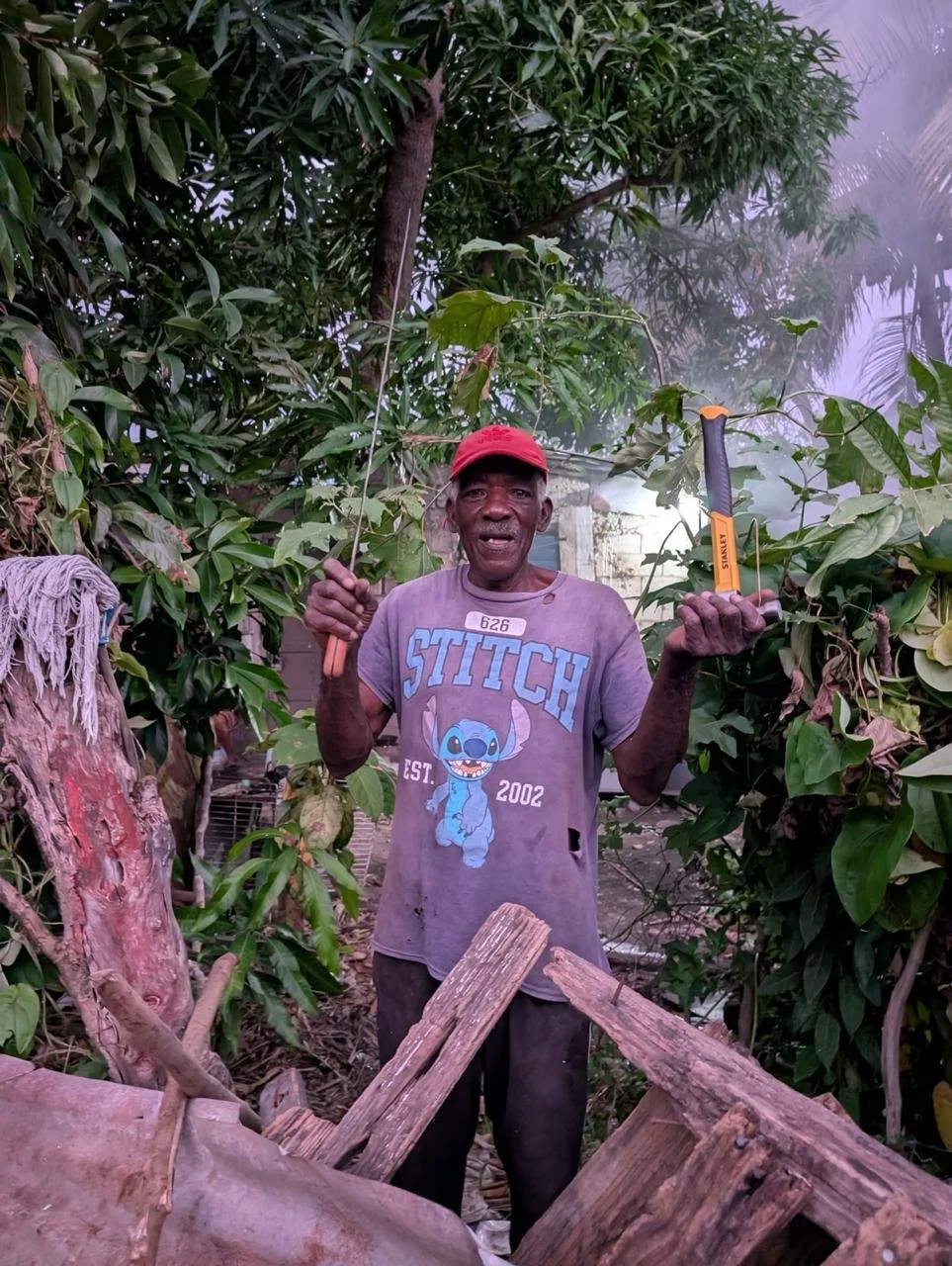
The lessons of Gilbert and Melissa remain clear: when traditional trades are supported and empowered, they are not relics of the past - they are pillars of national resilience. Culture beats strategy and gives purpose to resilience and restoration. It is one thing to restore structures; it is yet another to restore people.