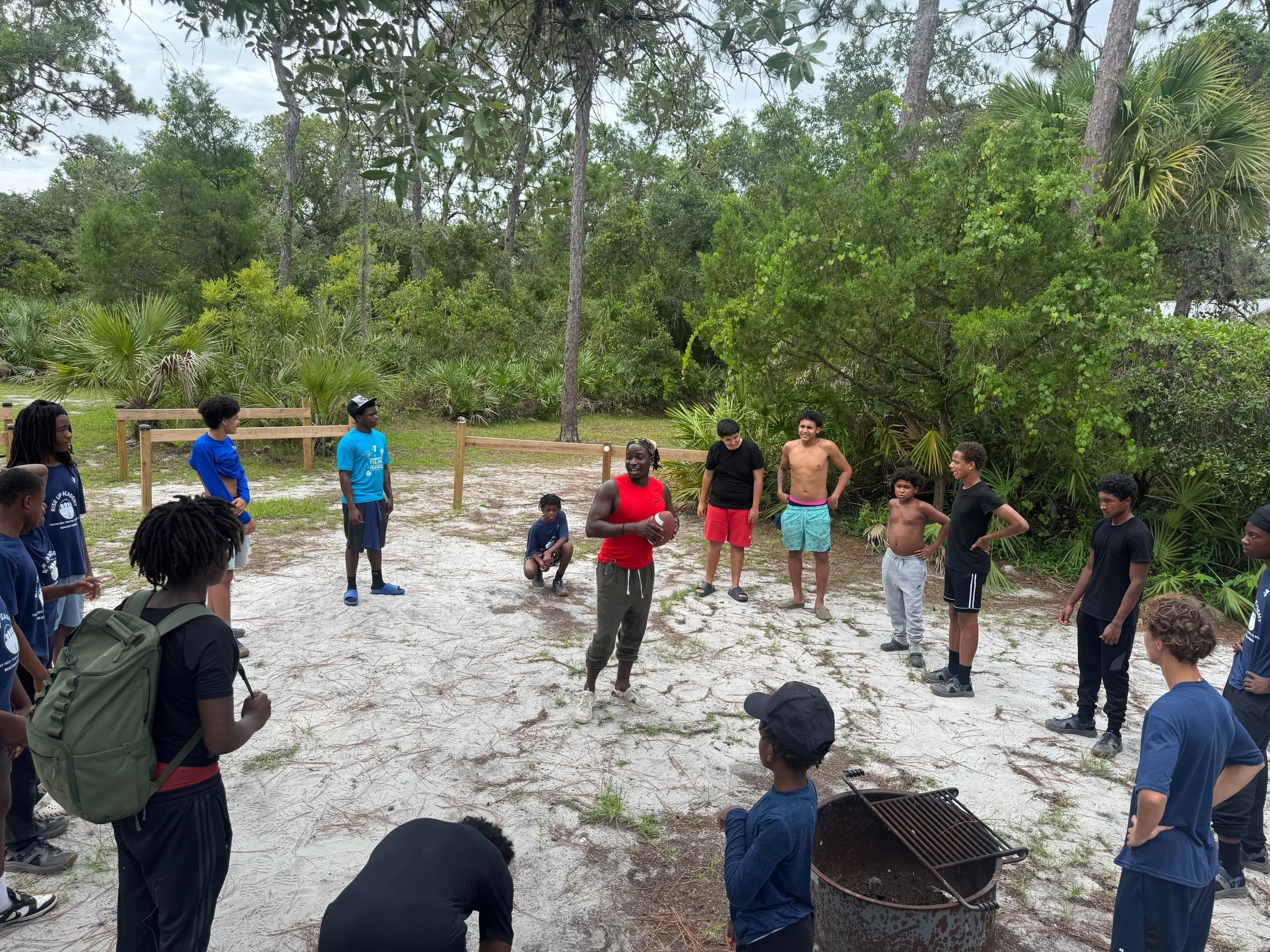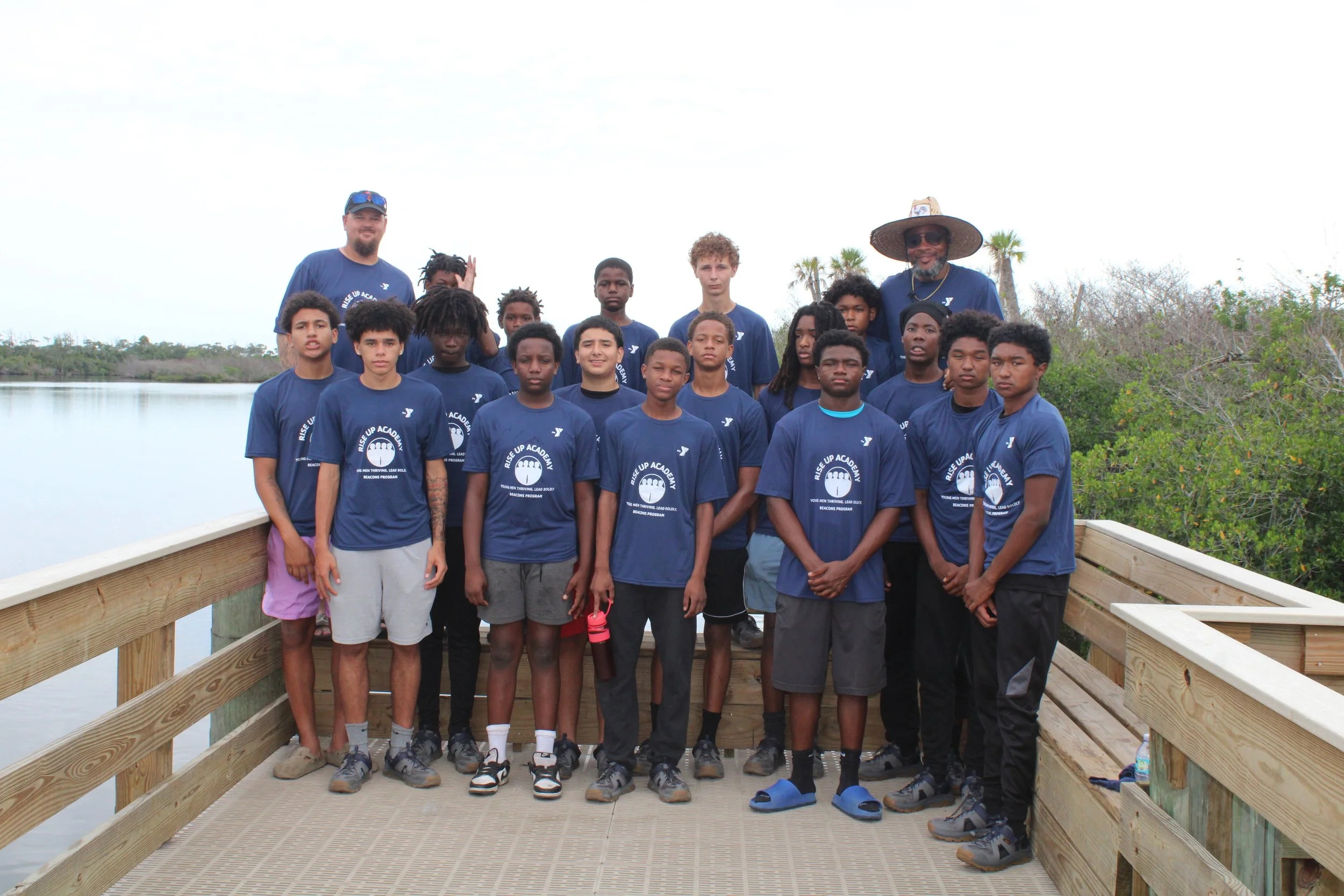
Last week’s YMCA outing looked simple from the outside: a day on the water, a handful of fishing rods, and a group of young people ready to learn something new. But anyone who was there felt it — the day carried more weight than the gear we packed.
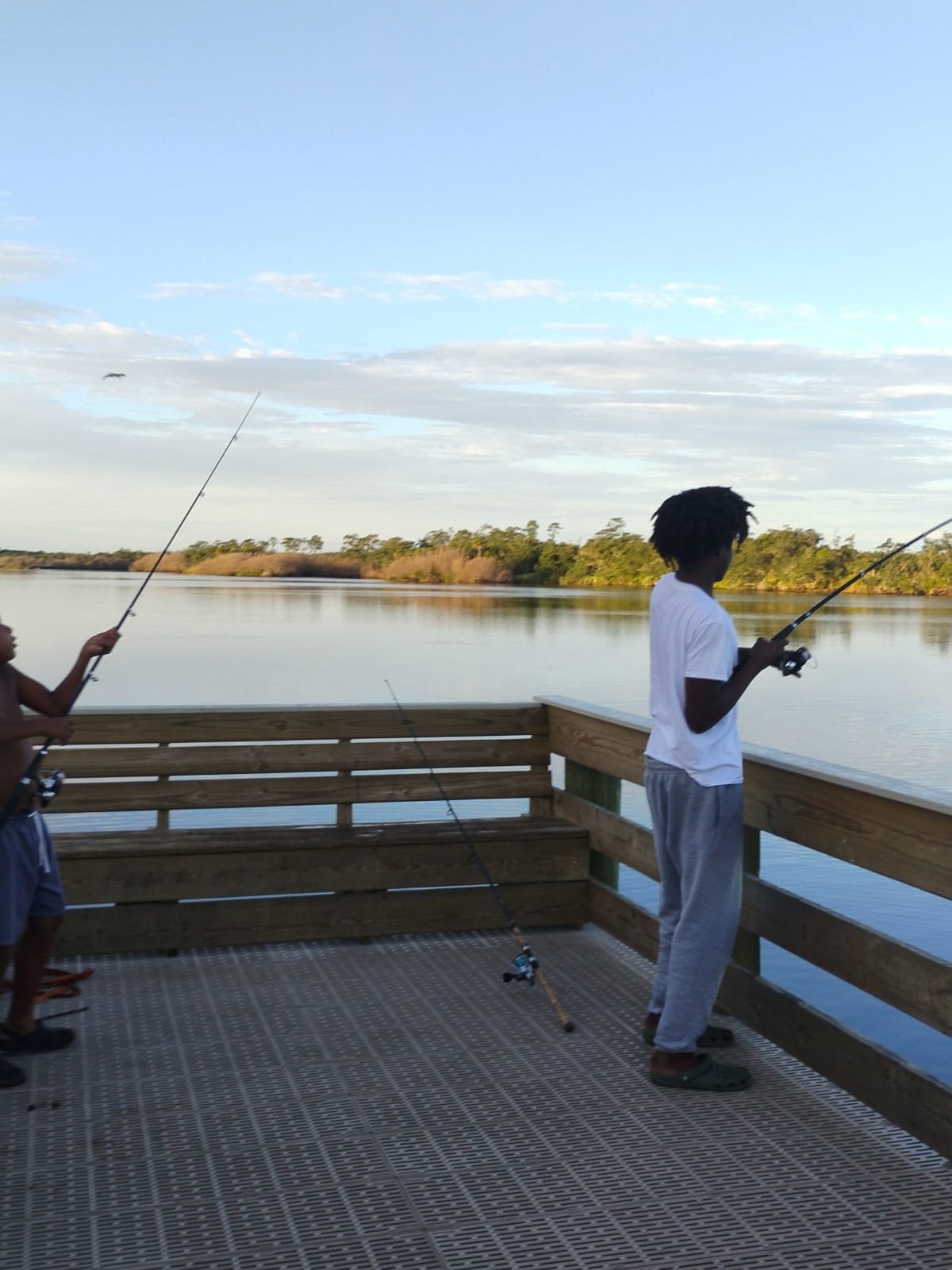
On the surface, the trip was about fishing fundamentals:
learning how to cast, how to read the water, how to stay patient when the line is quiet, and how to celebrate when it isn’t. These are skills that build confidence quickly. You can see it in a kid’s posture the moment they realize they can do something they’ve never tried before.
But the deeper lesson was leadership.
Fishing demands focus, calm, and decision‑making. It teaches you how to adjust when conditions change, how to work with what’s in front of you, and how to support the people around you. Watching the group step into those roles — helping each other bait hooks, untangle lines, and keep spirits high — was the real success of the day.
And this time, we added another layer: heat resilience.
Florida’s summer doesn’t ask permission. It shows up with intensity, and learning to navigate that safely is part of growing up here. So we built a simple heat‑management plan into the day — shade cycles, hydration checkpoints, cool‑down breaks, and awareness of how the body signals stress. It wasn’t a lecture; it was practice.
Because resilience isn’t just about enduring tough conditions.
Resilience is about adjusting to what the elements throw at us while still staying true to the original goal.
The kids learned that without us ever needing to say it outright.
Underneath all of this, something even more important was happening.
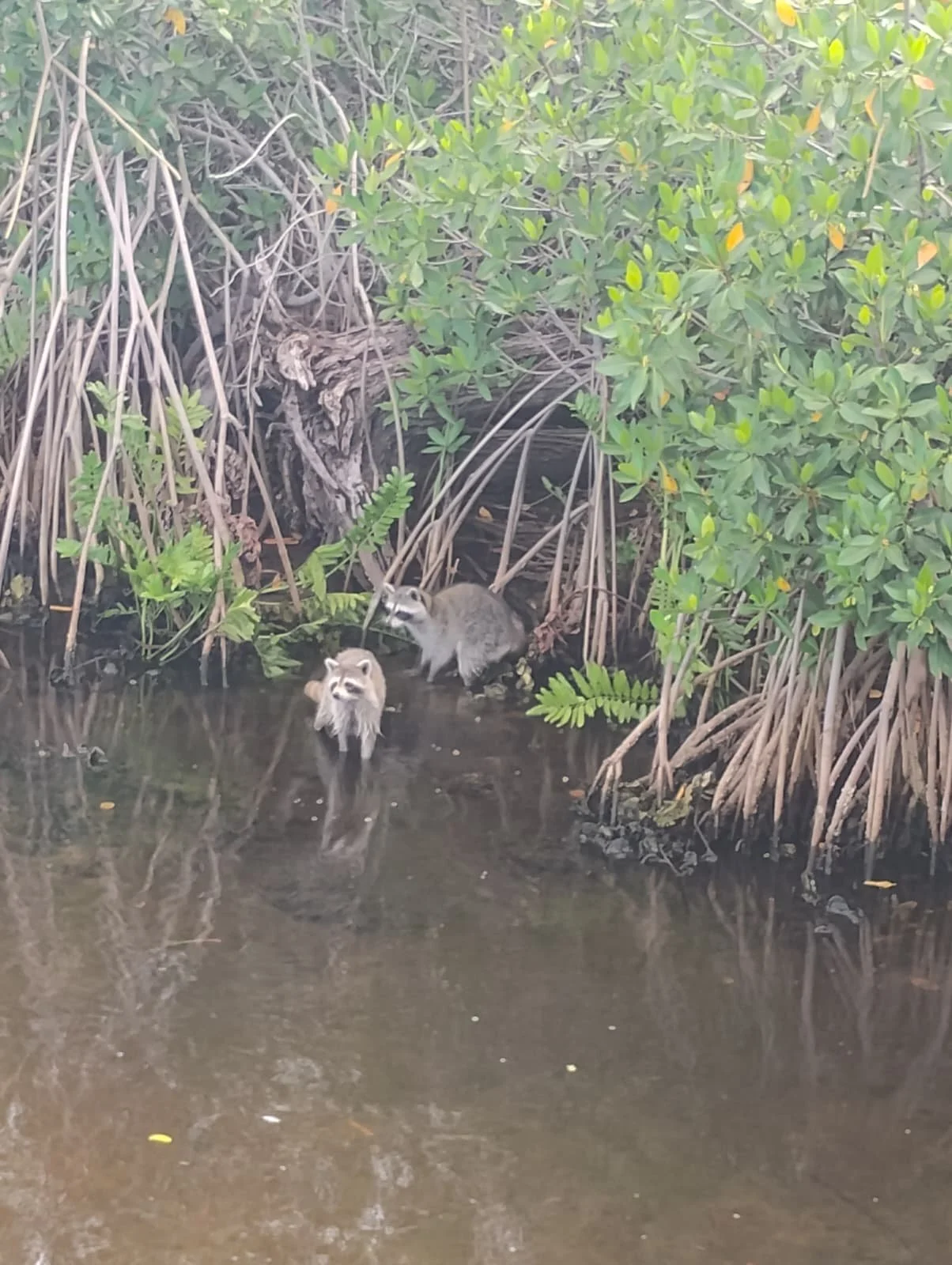
We spent time in and around mangrove ecosystems, one of Florida’s most powerful natural resilience assets. Without turning the day into a science class, the kids absorbed what it means to care for the places that care for us — how mangroves protect coastlines, shelter wildlife, and quietly hold the line during storms. They learned that conservation isn’t abstract; it’s hands‑on, local, and connected to the choices we make.
They also practiced resource awareness without even realizing it.
Fishing teaches you to observe, to measure, to understand limits, and to respect cycles. Those are the foundations of learning resource management — the kind of thinking that builds stronger communities over time.
So yes, it was a fishing trip.
Yes, it was about leadership skills.
But it was also a moment where young people got to experience resilience, stewardship, and environmental awareness in a way that felt natural, joyful, and grounded in place.
We’ll be doing more of this.
Because when you give kids access to the water, the land, and each other, you’re not just teaching them how to fish — you’re helping them understand how to lead, how to care, and how to build a future worth protecting.